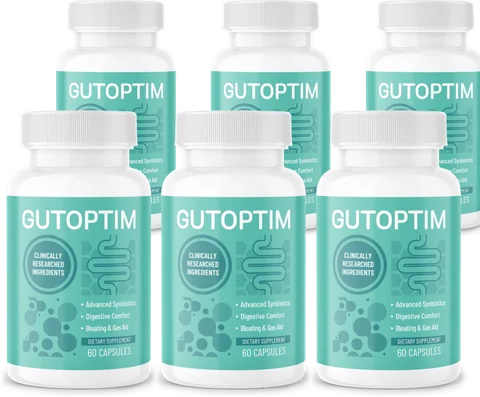
L. acidophilus is shorthand for Lactobacillus acidophilus, a named species of rod-shaped bacteria. Lactobacillus is the genus, acidophilus is the species, and the name means acid-loving. The species is associated with fermented dairy foods such as yogurt, and it is one of the nine ingredients the brand names for GutOptim™.
Decoding a two-part name · What the words actually mean · Genus, species, strain · Where it shows up in food · How the name appears on the GutOptim label · Reading species names with confidence
- The scientific name has two parts: genus first, then species.
- Acidophilus translates roughly to acid-loving.
- Strain names add a third layer of identification.
- The species is one of nine ingredients named on the GutOptim label.
Decoding a two-part name
Scientists name living things with two words. The first is the genus, a broader group, and the second is the species. Written in full, our label ingredient is Lactobacillus acidophilus. Because the genus name is long, labels and articles often abbreviate it to the first initial, giving L. acidophilus.
The capital letter on the first word and lowercase on the second are part of the convention, and in print both words are usually italicized. Once you know the pattern, you can read the names of thousands of organisms, from oak trees to house cats.
The same logic explains why you see E. coli or S. aureus in textbooks. Each is a genus initial plus a species name. Spotting that pattern is the first step to reading any scientific label.
What the words actually mean
Lactobacillus comes from Latin and Greek roots: lac, meaning milk, and bacillus, a small rod. Together they describe rod-shaped organisms first noticed in connection with milk. Acidophilus joins the Latin acidus (sour) with the Greek philos (loving), so the species name translates to acid-loving.
That name points to a real characteristic. The organism thrives in mildly acidic surroundings, the kind of environment you find in soured milk, which is why it was first connected with fermented dairy.
The species was first described in the early 1900s, and the genus name has been a fixture of food science ever since. In 2020 researchers reorganized the wider Lactobacillus group into several new genera, but L. acidophilus kept its original genus name, so the label wording stays familiar.
Ready to start your routine?
GutOptim: a daily capsule routine with two capsules daily and a 60-day money-back guarantee.
Order GutOptim NowGenus, species, strain
There is a third level worth knowing. Beneath the species sits the strain, usually written as a letter and digit code after the name. Two strains of the same species can behave differently, much like two apple varieties are both apples yet taste different.
Why does that matter when reading a label? Because a species name tells you the family tree, while a strain code tells you exactly which line is meant. Labels that name only the species give you the first piece of the picture, and that is perfectly normal for many products.
Where it shows up in food
Fermentation is the traditional setting for lactic acid bacteria. Long before laboratories, cooks and farmers relied on them to turn milk into tangy foods. L. acidophilus is associated especially with dairy, and you may encounter it in places like these:
If you like kitchen projects, a jar of plain yogurt with live cultures listed on its carton is an easy way to see fermentation in action at home.
- Yogurt and cultured milk products
- Kefir and other soured milk drinks
- Acidophilus milk, a cultured milk sold in some regions
- Certain fermented foods made at home or in small dairies
How the name appears on the GutOptim label
L. acidophilus is one of nine ingredients the brand names for GutOptim, along with bentonite clay, black walnuts, aloe vera, konjac glucomannan, flax seeds, prunes, oats and apple pectin. This article covers the name and background only. The brand has not published amounts, so we do not state any.
The directions on the bottle are two capsules daily with plenty of water, with 60 capsules per bottle. For all nine ingredients together, see the GutOptim formula page, and for the basics of the product, read What is GutOptim.
Reading species names with confidence
Next time you spot a Latin name on any food package, split it into genus and species, then check whether a strain code follows. It takes seconds and makes you a sharper label reader. For reliable reference material, the NIH Office of Dietary Supplements and the USDA FoodData Central are good places to start. Ready to compare packs? The pricing page has the details.