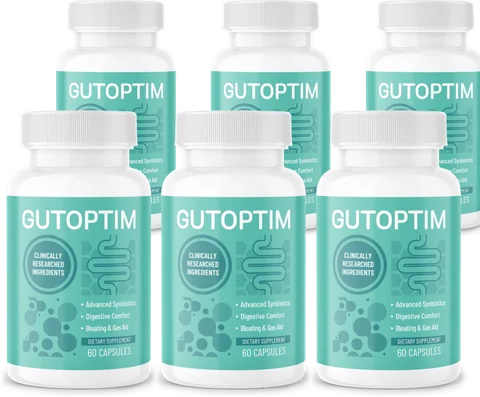
Flax seeds, prunes, oats and apple pectin are four of the nine ingredients the brand names for GutOptim™, and all four are familiar from home kitchens. Flax comes from a fiber-crop plant, prunes are dried plums, oats are a cereal grain, and pectin is the gelling agent behind jam. This guide covers culinary background only.
Flax seeds: from linen to the baking shelf · Prunes: dried plums with a name change · Oats: the cool-weather grain · Apple pectin: the secret of jam · Where these four fit on the label
- Flax is the same plant that gives us linen cloth.
- Prunes are dried plums from specific plum varieties.
- Oats are a cool-climate cereal grain with a long history in Scotland and Ireland.
- Pectin is the reason fruit preserves set into a spreadable gel.
Flax seeds: from linen to the baking shelf
Flax, Linum usitatissimum, is one of humanity's oldest crops. The plant's stem fibers are spun into linen, while its small, glossy seeds, brown or golden, are pressed for linseed oil or sold whole and ground for the kitchen.
Bakers use ground flax in muffins, crackers and bread doughs. Mix a spoonful with water, wait a few minutes, and it becomes a thick, gel-like paste that vegan bakers call a flax egg. Whole seeds, meanwhile, add a nutty crunch when scattered over loaves.
Flax flowers are a pale, sky blue and last only a morning, so a field in bloom looks like a shimmering lake. Farmers in Canada and the northern plains grow most of North America's seed.
Prunes: dried plums with a name change
A prune is a dried plum, made from plum varieties with enough natural sweetness and a firm flesh that dries without fermenting around the pit. The famous French d'Agen plum and the California plantings that followed are the best-known sources.
In 2000, American producers began marketing prunes under the name dried plums, hoping to sound fresher to modern shoppers. Both names remain in use. In the kitchen, prunes show up in the French dessert far breton, in Moroccan tagines, and chopped into oatmeal cookies.
Stone fruit lovers sometimes poach prunes in tea, wine or spiced syrup, then spoon them over yogurt or ice cream. They also pair surprisingly well with savory pork, bacon and roasted onions.
Ready to start your routine?
GutOptim: a daily capsule routine with two capsules daily and a 60-day money-back guarantee.
Order GutOptim NowOats: the cool-weather grain
Oats, Avena sativa, thrive in cool, damp climates, which is why they became a staple across Scotland, Ireland and northern Europe. The grain comes in several forms, and each behaves differently in the pot or the oven:
Oats have a modest reputation in history, once dismissed as horse feed, yet they built the cuisine of the Scottish Highlands: porridge, oatcakes, haggis and cranachan all lean on them.
- Steel-cut: whole groats chopped into pieces, chewy and slow to cook
- Rolled: steamed and flattened flakes, the classic for cookies and granola
- Quick: thinner flakes that soften in a couple of minutes
- Oat flour: finely ground oats for pancakes and baking
Apple pectin: the secret of jam
Pectin is a plant fiber found in the cell walls of fruit, and apples are among its richest sources. Commercial pectin is typically extracted from apple pomace, the pulp left after pressing juice.
Home cooks know pectin as the reason a pot of fruit, sugar and a splash of lemon juice sets into jelly. Chemically, it is a chain of sugar acids that links together when heated with sugar and acid. Old-time jam makers often added a few chopped apples to low-pectin fruit like strawberries to help the batch set.
The same chemistry explains why ripe fruit has less setting power than slightly underripe fruit. As fruit ripens, its pectin breaks down, which is why jam makers often mix in a few firmer, tart pieces.
Where these four fit on the label
Flax seeds, prunes, oats and apple pectin appear among the nine ingredients named for GutOptim, with bentonite clay, L. acidophilus, black walnuts, aloe vera and konjac glucomannan completing the list. The brand has not published amounts, and this article makes no claims about effects.
See the whole list on the GutOptim formula page, then visit What is GutOptim for the product basics. To look up the food profile of any of these ingredients, the USDA FoodData Central database is a trusted resource. When you are ready to order, the pricing page shows each pack.