Buy chunky yarn and size 10 or larger needles, cast on about 20 stitches, and knit every row until the scarf reaches your preferred length. This pattern, called garter stitch, lies flat and forgives mistakes. Ten minutes a day is enough to finish a scarf in a few weeks.
Pick yarn and needles that help you · Cast on your first stitches · Master the knit stitch · Fix mistakes without stress · Build a daily rhythm and finish strong
- Chunky, smooth, light-colored yarn makes stitches easy to see.
- Garter stitch means knitting every row, and it never curls.
- Keep a crochet hook handy for rescuing dropped stitches.
- Short daily sessions beat occasional marathons.
Pick yarn and needles that help you
The right materials make your first scarf far easier. Look for a chunky or bulky yarn in a smooth, solid color. Light shades such as cream, soft gray or pale blue show each loop clearly, while dark black yarn hides your stitches and frustrates beginners. Avoid fuzzy, mohair-style yarns for now because they are hard to unpick.
Match the needles to the yarn. The label on the yarn band suggests a needle size, usually US 10 to 11 for chunky yarn. Wooden or bamboo needles grip the yarn gently, so stitches slide less than on slippery metal ones. Two skeins of about a hundred yards each make a cozy scarf of roughly six feet.
Cast on your first stitches
Casting on means creating the first row of loops on your needle. The long-tail method is the most popular choice because it makes a stretchy, tidy edge. Pull out a tail about four times as long as your scarf is wide, make a slip knot, and follow a video tutorial slowly. Everyone's first attempt looks lopsided.
For a scarf about six inches wide with chunky yarn, twenty stitches is a good start. Count them twice. If you end up with an extra one or a few less, it will not matter much, but keeping the count steady helps your edges stay straight.
Ready to start your routine?
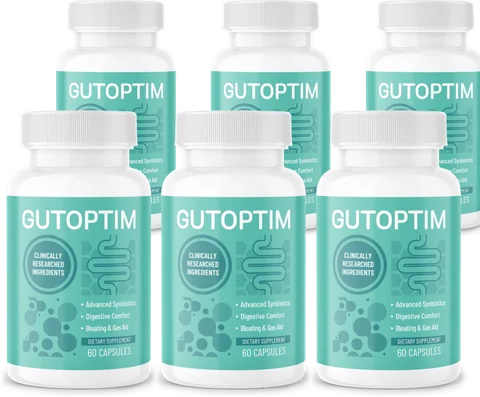
GutOptim: a daily capsule routine with two capsules daily and a 60-day money-back guarantee.
Order GutOptim NowMaster the knit stitch
The knit stitch has four moves: insert the right needle into the first loop, wrap the yarn around it, pull the new loop through, and slide the old loop off. Say the steps aloud if that helps. After ten or fifteen stitches your hands start to remember.
When you reach the end of the row, swap the full needle to your left hand and begin again. Knit every row, which creates a pattern of ridges called garter stitch. It is reversible, lies flat, and looks good with any yarn. Do not worry about speed. A relaxed, loose grip gives you better fabric than a tense, tight one.
- Keep your yarn tail on the same side each row.
- Check the loop count every few rows.
- Rest your hands whenever your shoulders rise.
Fix mistakes without stress
Every knitter drops a stitch. A small crochet hook is the best rescue tool: catch the loose loop, pull the strand through, and set it back on the needle. If a mistake sits a few rows down, many knitters simply unknit stitch by stitch, called tinking, which is knit spelled backward.
Place a stitch marker or a loop of contrasting thread at the start of the row so you always know which end you are on. If the project feels hopeless, step away for a day. Fresh eyes spot problems quickly, and mistakes that look huge at night often look small in morning light.
Build a daily rhythm and finish strong
The real secret to finishing a scarf is routine. Ten or fifteen minutes each day, in the same chair with the same cup of something warm, adds up to several inches each week. Keep your project bag by the sofa so it is ready to pick up. Pair knitting with other daily anchors, such as taking your two GutOptim capsules with a full glass of water, and the day builds a calm, repeatable shape. You can see how the brand describes its directions on the how it works page.
When the scarf reaches the right length, bind off by knitting two stitches, lifting the first over the second, and repeating until one loop remains. Cut the yarn, pull it through, and weave the tails into the fabric with a blunt needle. A gentle soak and flat dry smooths the stitches.
Your first scarf will not be perfect, and that is part of its charm. Gift it, wear it, or start another in a brighter color. If you enjoy hobby ideas like this one, browse the blog and the GutOptim overview for more everyday routine inspiration. For ways to build movement into your week, the CDC physical activity basics offers friendly pointers.