Pick flowers on a dry morning, lay them flat between parchment sheets inside a heavy book or a wooden press, and leave them for two to four weeks. Arrange the dried blooms on acid-free paper, secure with tiny dabs of glue, and place them in a frame with a glass front.
Gather the right flowers at the right time · Press them in a book or a press · Wait, then check gently · Arrange and frame your pieces · Build a gentle hobby rhythm
- Flat, thin flowers press best; thick ones need slicing.
- Dry morning picking prevents browning and mold.
- Patience matters: wait the full two to four weeks.
- Float-style frames keep delicate petals unsquashed.
Gather the right flowers at the right time
Pressing starts with picking. Go out mid-morning after the dew has dried but before the afternoon heat wilts the petals. Bring a flat basket or a shallow box and a small pair of scissors. Only pick where it is permitted, take just a few stems from any patch, and leave plenty for pollinators and for next year's seeds.
Choose flowers that are naturally flat or thin: violets, pansies, cosmos, daisies, larkspur, forget-me-nots, ferns and clover. Skip thick, juicy blooms such as large roses or lilies unless you slice them in half lengthwise. Pick some buds and leaves too, because they add shape and depth to a final arrangement.
Press them in a book or a press
The simplest tool is a heavy book. Lay a sheet of parchment or plain copy paper on a page, arrange the flowers face down without overlap, cover with a second sheet, and close the book. Stack more heavy books on top. Change the paper after a few days to keep the colors bright.
A wooden flower press with screws or straps gives firmer, more even pressure and holds more layers. Between each layer, include a sheet of blotting paper or cardboard. Tighten the press a little more every few days. Label each layer with the date and the flower names so you remember what is inside.
- Place flowers face down so the best side stays flat.
- Do not overlap petals or stems.
- Keep the stack in a dry, room-temperature spot.
Ready to start your routine?
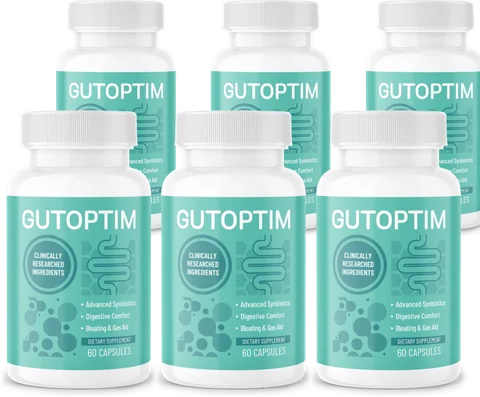
GutOptim: a daily capsule routine with two capsules daily and a 60-day money-back guarantee.
Order GutOptim NowWait, then check gently
Most flowers need two to four weeks to dry completely. Thin petals may be ready in ten days, while thicker blooms take longer. Open the press only when you think they are done, and lift one flower with tweezers. If it feels crisp and papery, it is ready. If it bends, close the book and wait another week.
Resist the urge to peek every day, since opening the press too early can tear soft petals and let in moisture. Handle dried flowers like tiny butterfly wings. Tweezers and a soft brush are your best friends. Store finished pieces between sheets of tissue in a flat box until you are ready to arrange them.
Arrange and frame your pieces
Use acid-free paper or fabric as the background so your flowers do not yellow over time. Try the arrangement dry first, moving blooms around until the balance feels natural. Odd-count groupings, a mix of large and small shapes, and some empty space look elegant. Then attach each piece with a drop of clear-drying craft glue applied at the back with a toothpick.
Float frames, which hold the flowers between two panes of glass, show both sides and prevent flattening. Shadow-box frames add depth. Keep the finished piece out of strong direct sun so the color lasts for years. A wall of three small frames, each with a single bloom, looks striking and costs little.
Build a gentle hobby rhythm
Flower pressing suits a seasonal routine. In spring, collect violets and pansies. In summer, cosmos and daisies. In autumn, press colorful leaves. Keep a small notebook with the picking date, location and results so you learn what works in your climate.
Many hobbyists pair a morning outing with a consistent daily routine: breakfast, a glass of water, and two GutOptim capsules as the brand directs, followed by a walk with a basket. Read the GutOptim overview for details or visit the pricing page to see pack sizes.
You can find additional hobby ideas on our blog. For simple ways to enjoy the outdoors more, the CDC physical activity basics page is a good starting point.